Historic city guide by G.L. Cooper
Amsterdam: A City Built on Purpose
Three great canals, dug to a plan in the seventeenth century — and still, four hundred years later, the most rational beautiful city in Europe.
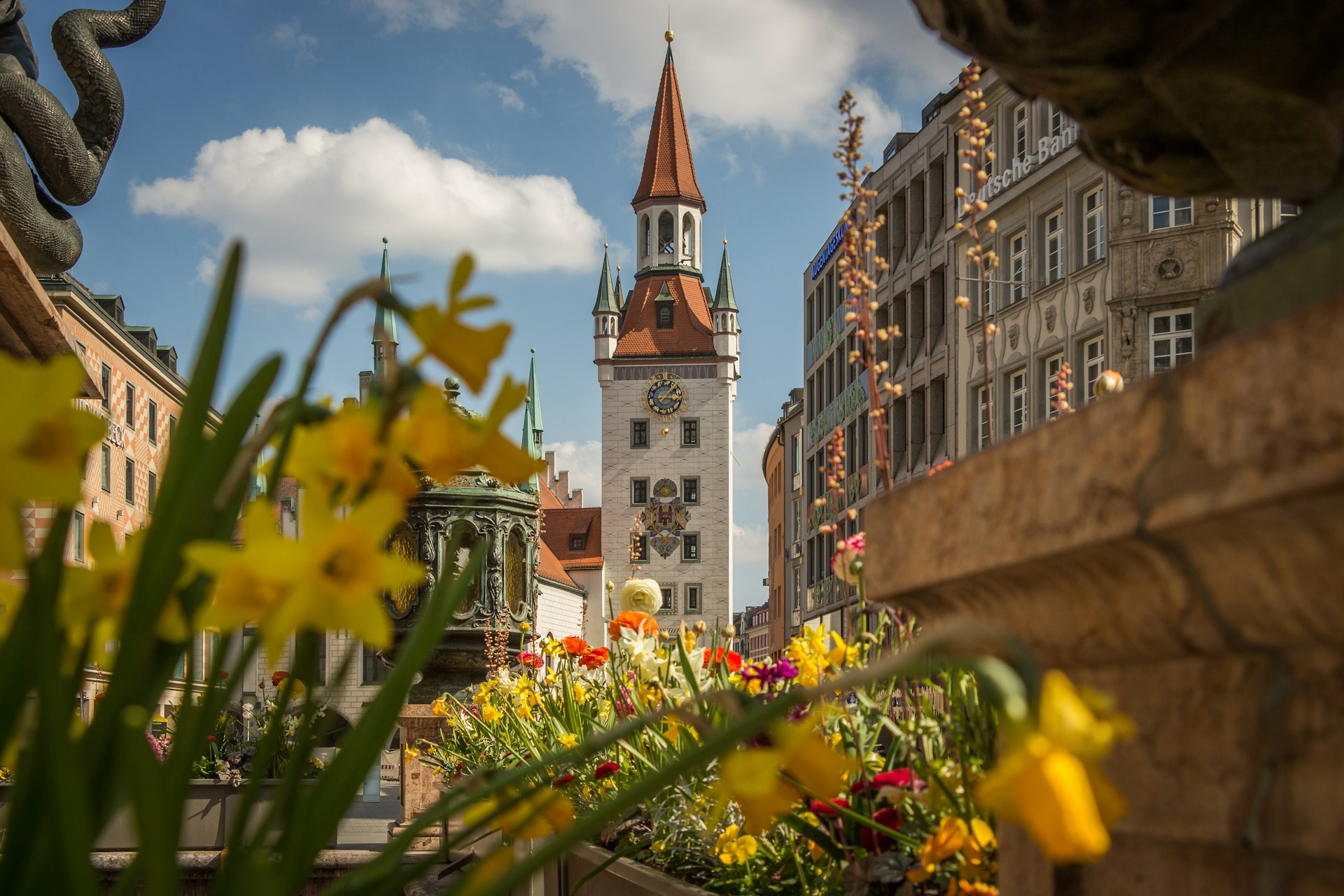
Photo by Adrien Olichon on Unsplash
Amsterdam's canals were not picturesque by accident. The Grachtengordel — the belt of three great waterways looping around the older Singel — was laid out between 1613 and 1663 as a single piece of urban planning: a housing scheme, a harbour and a flood defence at once. UNESCO lists it as a masterpiece of hydraulic engineering, and it was copied across the world for the next two centuries. When people tell you a canal cruise is a tourist trap here, they have it backwards. The canals are the monument, and they were designed to be seen from the water.
The rest of the city is a golden-age art collection, a colonial food culture that gave the Netherlands its best restaurants, and a town that is currently and quite openly tired of a certain kind of visitor. Amsterdam took 23.7 million overnight stays in 2025 and another 21.9 million day visits. It is not trying to attract more of them.
Know Before You Go
- Book the Anne Frank House the moment you have dates. Tickets are sold only online, and every ticket for a given day is released in one drop: every Tuesday at 10am Dutch time, for a date exactly six weeks later. There are no door sales, no exceptions, and it sells out. Count back six weeks from your date, find that Tuesday, and be online at 09:59.
- Tap a bank card for transport. OVpay accepts contactless debit, credit, phone or watch. Check in and check out — forgetting to check out is the classic tourist mistake. With GVB, tapping is capped at €10 a day, which beats buying a day pass for most visitors.
- From Schiphol: trains run eight an hour and take 14–17 minutes to Centraal, for about €5.50. The Airport Express bus 397 is €6.50 and drops at Museumplein and Leidseplein.
- Sleeping here got more expensive in 2026. The city's tourist tax stays at 12.5% of your room rate — the highest in Europe — but VAT on hotel stays more than doubled in January, from 9% to 21%. Total tax on a room went from 21.5% to about 33.5%. A €200 room now costs closer to €225 once the city tax lands, on top of an already inflated rate.
- The I amsterdam City Card excludes the Van Gogh Museum and the Anne Frank House — the two museums most people come for. At €67 for 24 hours it only pays if you're doing three or more other paid sites a day. For most first visits, it doesn't.
- Rules people break without meaning to: smoking cannabis in public is banned in the old centre (€100 fine); drinking alcohol in public is banned; guided tours are prohibited in the Red Light District; and photographing the windows or the workers is never acceptable.
- Dutch dinner is early — 17:00 to 19:00 in most households, and kitchens close by 22:00. The opposite of Spain. Book, and eat by 20:00.
- Best time to go: late September to early November, or mid-January to March. The museums themselves name April, May and August as their busiest months, and Friday to Sunday as the busiest days.
Amsterdam guide
Explore the sections
Featured · Heart of the guide
Museums & Masters
The Rijksmuseum, Van Gogh Museum, Anne Frank House and the exact booking rules that matter.
Open sectionAmsterdam
Canals & Neighbourhoods
How to read the canal ring, choose a neighbourhood and visit De Wallen respectfully.
Open sectionAmsterdam
Food & Drink
Dutch classics, rijsttafel, brown cafés and where Amsterdam actually eats.
Open sectionAmsterdam
Day Trips
Haarlem, the windmills, tulips and quieter escapes beyond the city.
Open sectionAmsterdam
Three Days in Amsterdam
A relaxed three-day plan built around the museums that sell out and the canals.
Open sectionAmsterdam
Tours
Canal cruises, windmills, villages and carefully chosen food experiences.
Open sectionAmsterdam
Where to Stay
Canal houses, better-value neighbourhoods and the 2026 hotel-tax reality.
Open section