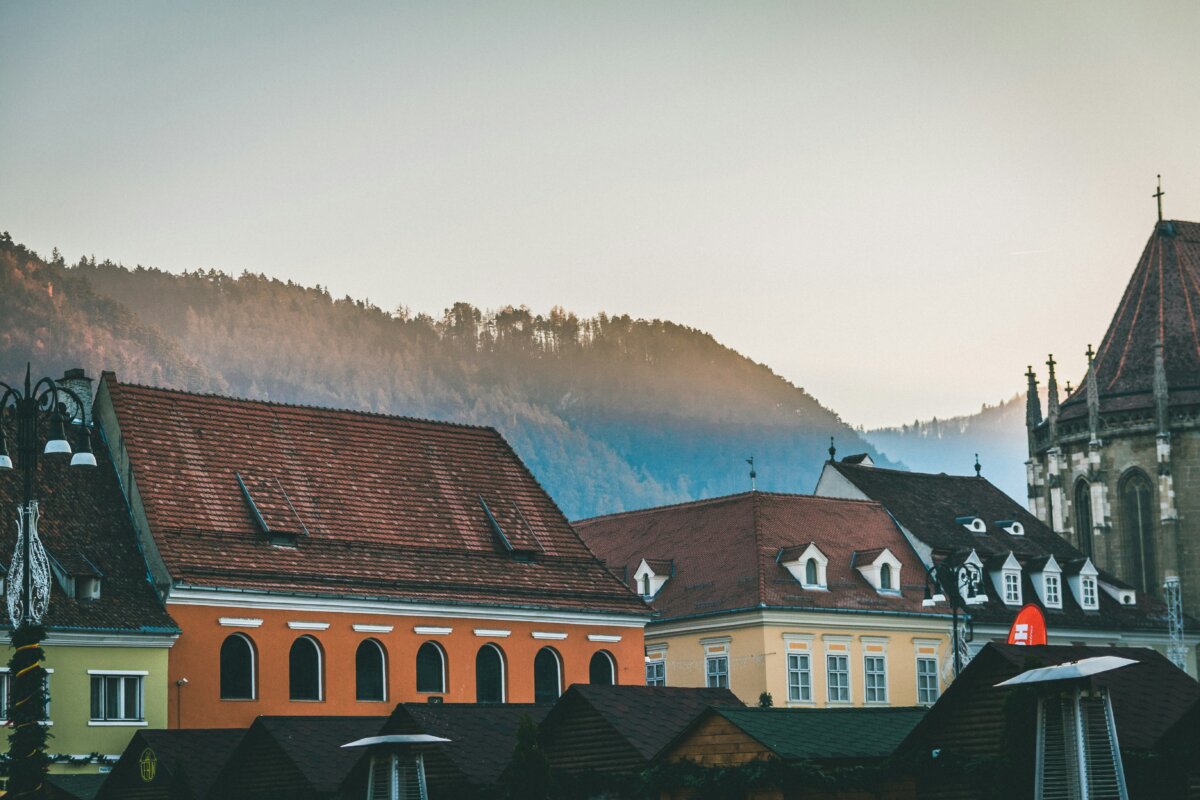
Greek Isles guide
Greek Isles: Five Islands, Five Different Journeys
The right island is less about ranking beaches and more about deciding how you want your days to feel. Start with the quick comparison, then explore each island in detail.
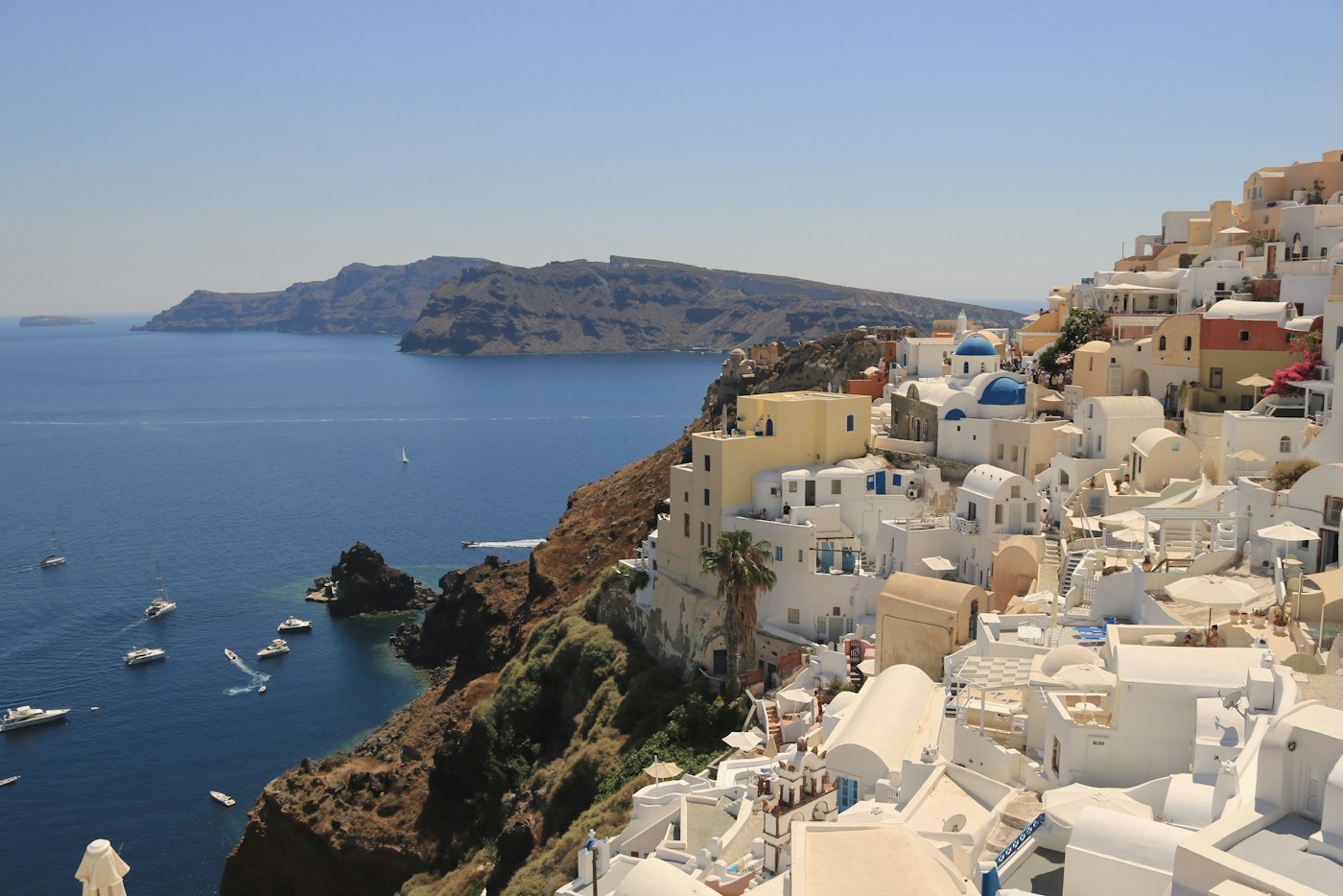
Volcanic drama
Santorini
Santorini is shaped by its caldera. Fira, Firostefani, Imerovigli and Oia cling to the western rim, facing the flooded volcanic basin and the smaller islands at its centre. The landscape is the reason to come: paths, terraces and villages are arranged around that immense view. Oia is the most photographed settlement, while Fira is the practical hub for buses, shops and a wider choice of evenings.
Do not stop at the rim. Akrotiri preserves a Bronze Age settlement buried by volcanic ash; Pyrgos climbs around a hilltop castle; Megalochori has quieter lanes; and the island's vineyards reveal how growers work with wind, drought and volcanic soil. Beaches here are geological rather than classically sandy, with dark volcanic shores and steep backdrops.
Practical fit: Santorini works especially well for a shorter, landscape-led stay. The cliff villages involve steps, slopes and limited vehicle access, so check the exact approach to your accommodation if mobility or luggage is a concern. Buses radiate mainly from Fira; reaching several scattered places in one day may be easier with a car or organised route. Spring and autumn usually bring a calmer balance than the busiest summer weeks, though ferry and business schedules narrow outside the main season.
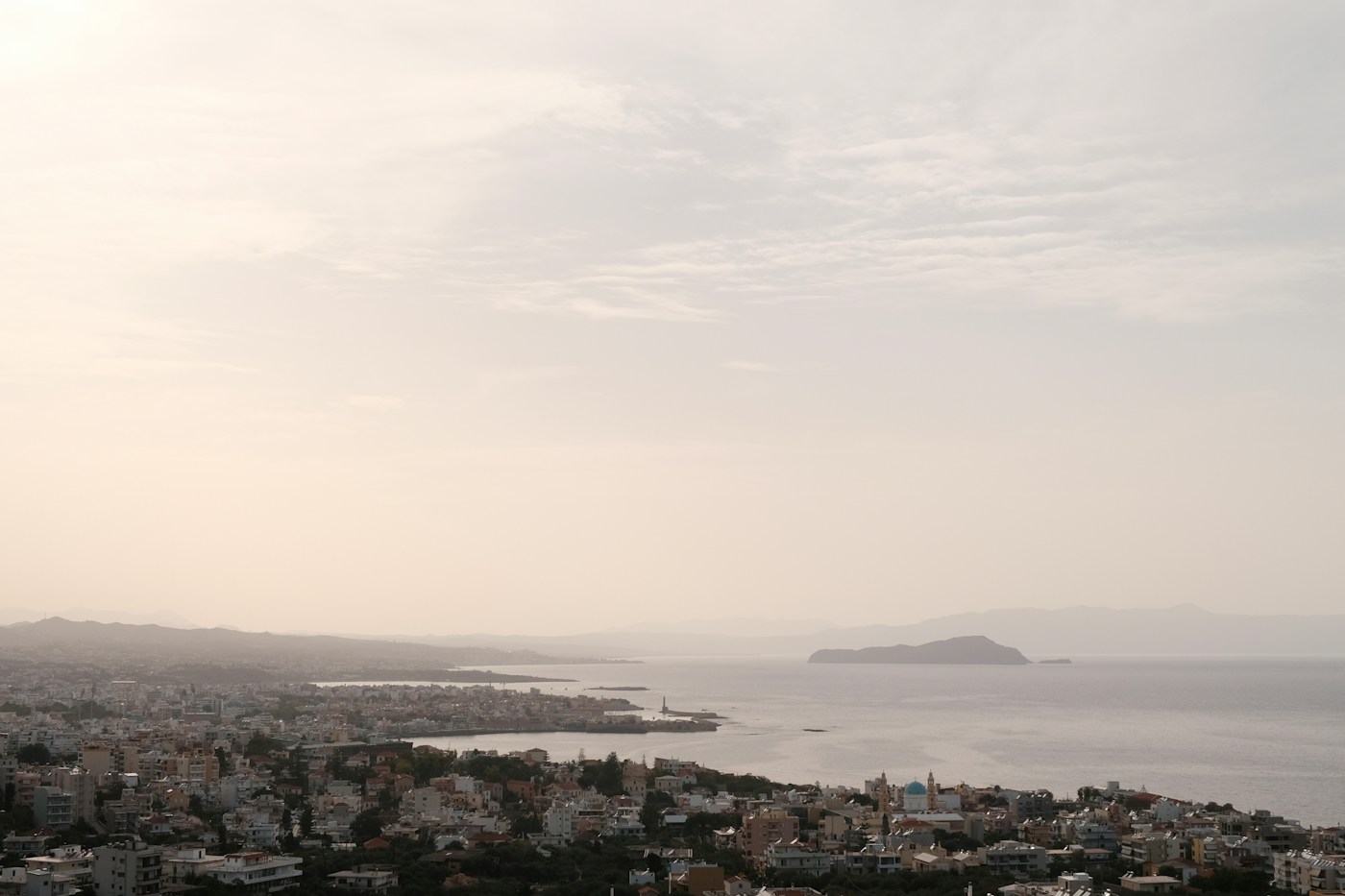
A journey in itself
Crete
Crete is Greece's largest island and should be planned as a region, not a single resort. Heraklion and nearby Knossos introduce the Minoan story; Chania pairs a Venetian harbour with access to the White Mountains and western coast; Rethymno offers a smaller old-town base between them. Farther east, Agios Nikolaos and the Lasithi region lead into a different landscape again.
The interior matters as much as the sea. Mountain villages, olive country, gorges and south-coast settlements give Crete a depth that rewards slow travel. The Samaria Gorge is a serious seasonal route whose opening depends on weather and trail conditions, not a casual attraction that can be assumed to operate. Archaeology, regional cooking and walking are stronger reasons to choose Crete than a checklist of famous beaches.
Practical fit: Choose western, central or eastern Crete before choosing a hotel. The main cities are linked by buses, but remote beaches, trailheads and villages are far easier with a car. Mountain roads can be slow and winding, and a destination that looks close on a map may take much longer than expected. Crete suits travellers prepared to stay longer, use two bases, or explore one area properly instead of attempting the whole island.
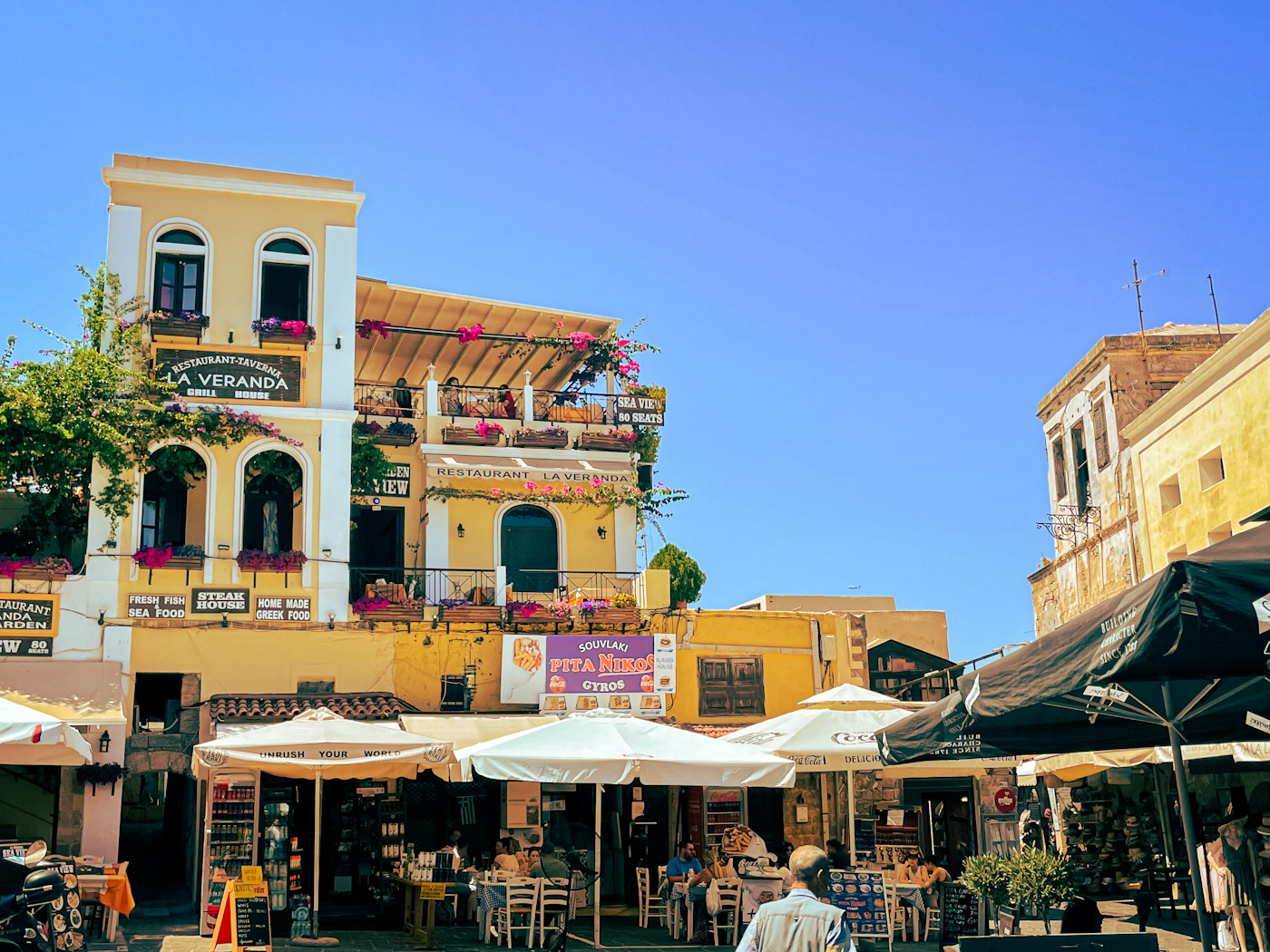
Medieval walls and a long coast
Rhodes
Rhodes combines one of the Mediterranean's great walled cities with a substantial island beyond it. Inside Rhodes Old Town, the Street of the Knights and Palace of the Grand Master form the monumental centre, while residential lanes, small squares and Ottoman-era details make clear that this is still a lived-in place rather than a sealed museum.
South along the east coast, Lindos rises beneath its acropolis in a dense white village above the sea. Beaches and bays line the route between the two, while inland roads reach villages, wooded landscapes and wine-growing country. The west coast is generally more exposed to wind; the east is the easier choice for sheltered beach time.
Practical fit: Rhodes Town is the strongest base for history, transport and evenings on foot. Lindos or an east-coast base puts the south and beaches closer, so a split stay can reduce repeated journeys. Buses serve the principal places, but a car gives much more freedom inland. Rhodes fits travellers who want serious history and a varied coast without the scale and regional complexity of Crete.
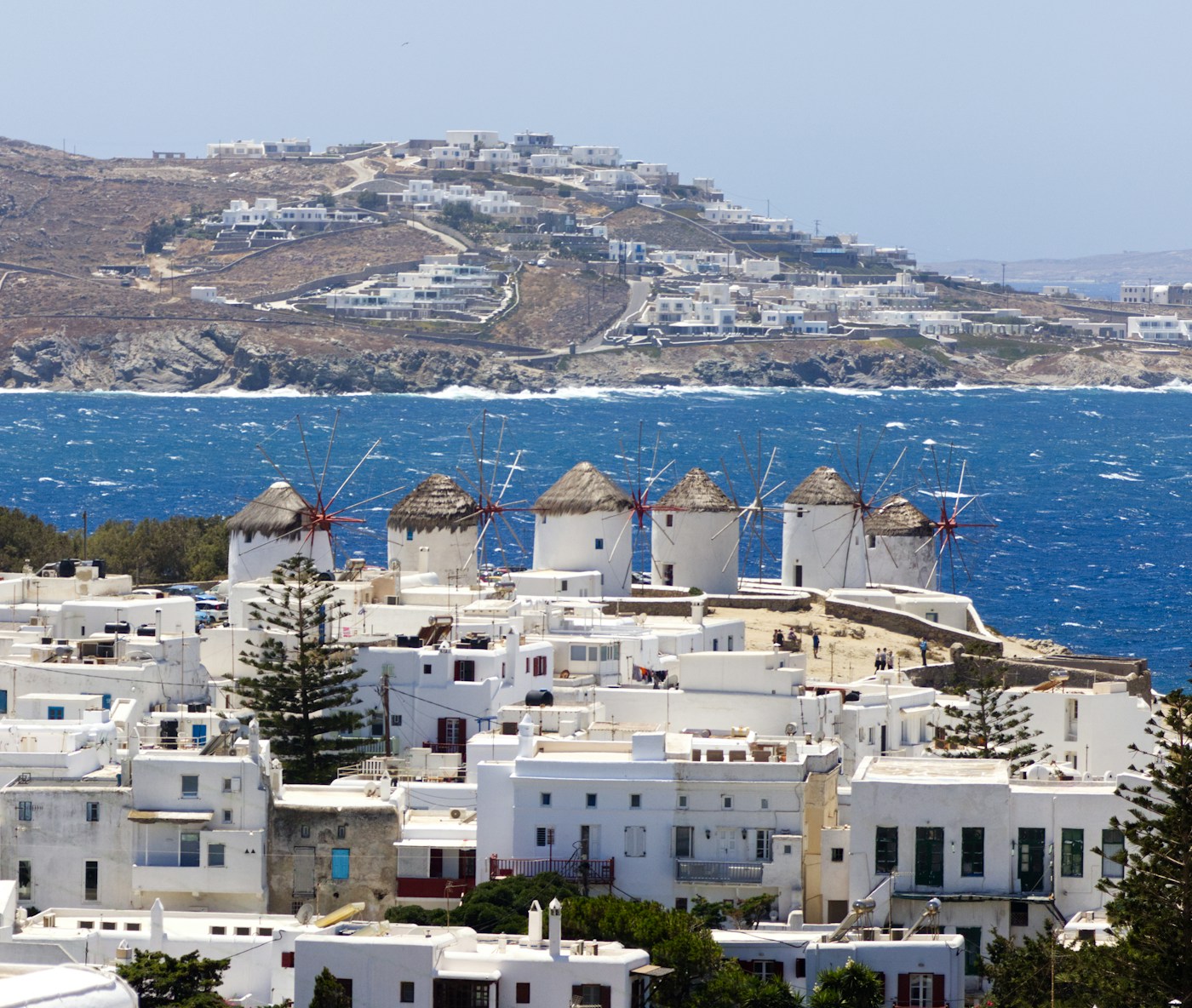
The social Cyclades
Mykonos
Mykonos is polished, energetic and expensive, but its identity is not limited to nightlife. Chora — Mykonos Town — is a tight web of white lanes leading between small churches, the waterfront edge of Little Venice and the hilltop windmills. Early morning is the time to see its architecture before shoppers, day visitors and evening crowds fill the centre.
The south coast holds the island's best-known beach scene, ranging from organised stretches with restaurants and music to quieter coves. Inland Ano Mera offers a useful contrast to Chora. The essential cultural excursion is Delos, the uninhabited archaeological island reached by scheduled boat; sailing and site access depend on season and sea conditions.
Practical fit: Stay in or near Chora if you want to walk to dinner and use the bus network. A beach base suits travellers who want the sea outside the door, but check evening transport rather than assuming taxis will always be available. Mykonos works best for a lively, shorter stay with key accommodation, dining and transport decisions made in advance during busy periods. Persistent Aegean wind can affect both beach comfort and boats.
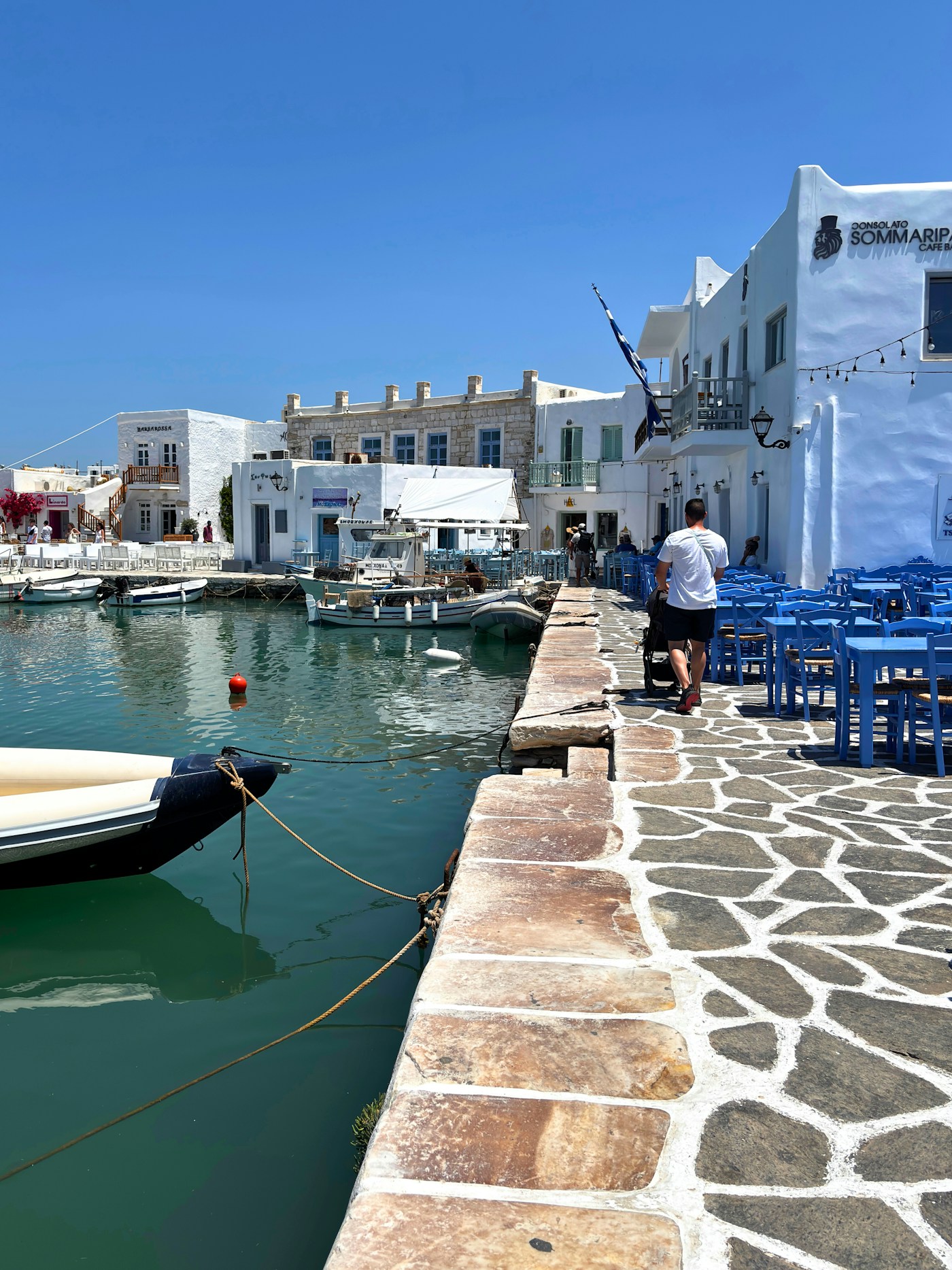
A softer Cycladic rhythm
Paros
Paros gives you recognisable Cycladic scenery without asking every day to revolve around a single famous viewpoint. Parikia is the ferry port and practical capital, with an old quarter and the historic Panagia Ekatontapiliani church. Naoussa turns a fishing harbour into the island's most polished evening setting, while inland Lefkes offers stone lanes and a different sense of scale.
The coast changes character around the island: broad beaches, sculpted rock formations and small coves make it easy to alternate town days with the sea. Nearby Antiparos is a natural excursion, but Paros itself has enough villages, walking routes and shoreline to reward staying put. It is popular rather than undiscovered, especially around Naoussa in high summer.
Practical fit: Parikia is easiest for ferries and the broadest bus connections; Naoussa suits travellers prioritising atmosphere and dining. A car helps with inland villages and quieter beaches, though a well-chosen town base can support a largely car-free stay. Paros is a strong choice for couples, families and first-time island travellers who want variety at a gentler pace. Summer meltemi winds are part of the Aegean pattern and can change beach and ferry plans.
Seasonal ferry schedules, opening times and access conditions can change. Confirm details before travel.
Back to Greek Isles